
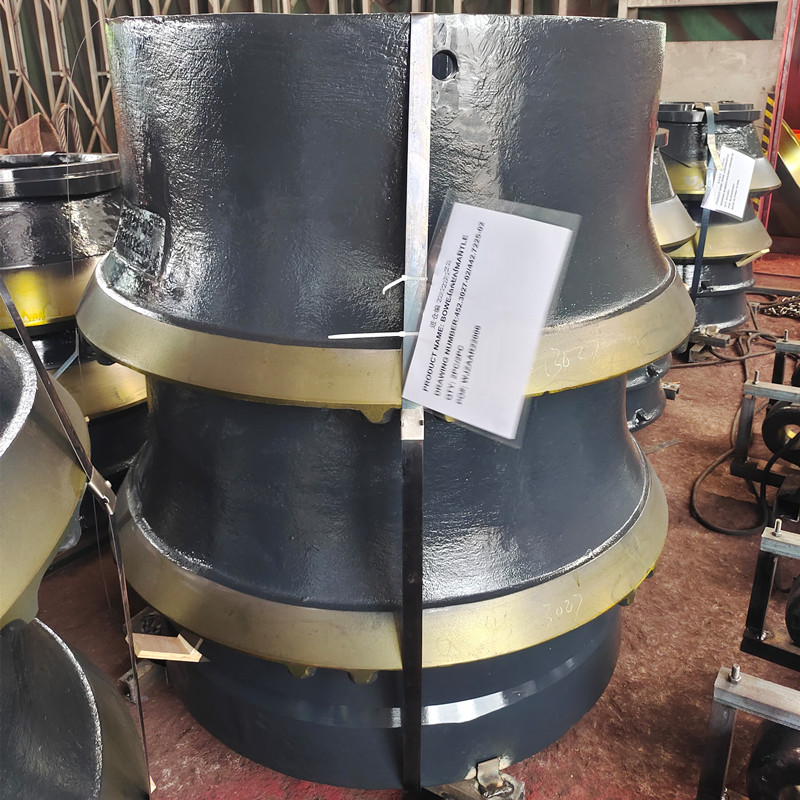
Ball mills are critical equipment in various industries, including mining, cement, and chemical production. They play an essential role in grinding and pulverizing materials to achieve desired particle sizes and material properties. One of the key components ensuring the efficiency and longevity of ball mills is the ball mill liner. The right choice of ball mill liners not only protects the mill shell from wear and tear but also improves grinding efficiency, reduces downtime, and ultimately translates into cost savings for operators.
In recent developments, companies specializing in industrial milling equipment have been offering a wide range of advanced ball mill liner materials designed to suit different operational requirements. These tailored solutions provide enhanced durability and performance, catering to the diverse needs of various industries.
### Understanding Ball Mill Liners and Their Importance
Ball mill liners are protective components fitted inside the mill shell to absorb the impact and abrasion caused by grinding media and material charge. They safeguard the mill shell from direct contact with abrasive substances, thus preventing premature shell wear. Additionally, liners optimize the motion of the grinding media inside the mill, contributing to efficient grinding.
The choice of material and design of ball mill liners greatly impact the throughput, energy consumption, and operational safety of ball mills. Common factors influencing liner selection include the hardness of the ore or material processed, mill speed, grinding media characteristics, and mill size.
### Common Types of Ball Mill Liner Materials
The market offers various liner materials, each with distinct characteristics making them suitable for specific applications:
1. **Manganese Steel Liners**
Manganese steel (Mn steel) liners are widely used for their excellent toughness and wear resistance. They work by hardening on impact, providing a protective surface that resists abrasive wear. Mn steel liners are ideal for mills that handle highly abrasive materials and operate under heavy impact conditions.
2. **High-Chrome Iron Liners**
High-chrome iron liners contain a large percentage of chromium, making them harder and more wear-resistant than traditional manganese steel liners. They are best suited for milling operations where abrasion is the primary cause of wear rather than impact, such as fine grinding in ceramic or chemical industries.
3. **Alloy Steel Liners**
Alloy steel liners offer a balanced combination of toughness and wear resistance. By incorporating elements like nickel, molybdenum, or chromium, alloy steel liners can be tailored to withstand specific impact and abrasion demands encountered in different milling processes.
4. **Carbon Steel Liners**
Carbon steel liners are generally used for mills with lighter load conditions or where cost constraints play a significant role. Though not as wear-resistant as alloyed or high-chrome liners, they still offer reasonable protection in moderate service conditions.
### Custom Tailored Wearing Solutions for Longer Lifespan
Beyond traditional materials, recent innovations have introduced customized wearing solutions designed to extend the service life of ball mill liners significantly. Such advanced solutions often combine proprietary ceramics and carbide insertions that enhance abrasion and impact resistance.
- **Titanium Carbide (TiC) Inserted Liners**
By embedding hard titanium carbide segments into a steel matrix, liners can achieve superior wear resistance while maintaining adequate toughness. TiC inserted liners are particularly effective for highly abrasive applications with intermittent impact forces.
- **Ceramic Liners**
Ceramic materials provide exceptional hardness and chemical resistance, making ceramic liners ideal for applications involving corrosive materials and severe abrasion. Their brittleness, however, requires skillful engineering to ensure impact resistance when used in mill liners.
- **Chromium Inserted Alloys**
Liners featuring chromium inserts combine the hardness of high-chrome alloys with localized reinforcement at critical wear points. This hybrid construction improves overall wear resistance and helps maintain liner integrity under heavy grinding conditions.
### Company Expertise in Ball Mill Liners Solutions
Specialized machinery providers have been pivotal in advancing ball mill liner technologies, helping clients optimize their grinding operations through expert product design, material selection, and custom fabrication.
One such company offers a comprehensive range of standard ball mill liners made from Mn steel, high-chrome iron, alloy steel, and carbon steel. Alongside these standard offerings, the company also delivers tailored wearing solutions engineered to enhance liner lifespan using advanced materials such as TiC, ceramic composites, and chromium-inserted alloys.
Their approach involves in-depth analysis of customer operational environments to recommend liner solutions that match specific grinding challenges. From small-scale mills processing softer minerals to large industrial facilities handling hard abrasive ores, tailored liners ensure the optimal balance of wear resistance, toughness, and cost-efficiency.
### Benefits of Selecting the Right Ball Mill Liners
Choosing the best ball mill liners for a particular milling operation yields multiple operational advantages:
- **Extended Service Life:** Advanced materials and tailored designs reduce the frequency of liner replacement, minimizing costly mill downtime.
- **Improved Grinding Efficiency:** Liners optimized for certain grinding conditions contribute to more consistent media motion and better particle size reduction.
- **Lower Maintenance Costs:** Durable liners reduce wear-related failures and maintenance interventions, leading to better resource allocation.
- **Customized Fit for Varied Applications:** The availability of multiple materials and design options allows customization based on material hardness, moisture content, and impact levels.
### Conclusion
Ball mill liners are a vital component to ensure reliable and efficient milling operations across industries. From traditional manganese steel and high-chrome liners to advanced titanium carbide and ceramic-inserted solutions, the spectrum of available materials empowers operators to select liners that best match their unique process requirements.
With expert suppliers providing both standard and customized liner options, businesses can enhance their milling performance while controlling operation costs. The integration of innovative materials and engineering solutions continues to push the boundaries of ball mill liner durability, promising longer service life, improved productivity, and stronger return on investment.
Operators looking to upgrade their mills or design new installations are encouraged to collaborate with experienced liner providers to identify the optimal materials and wear solutions that align with their operational goals and challenges.