
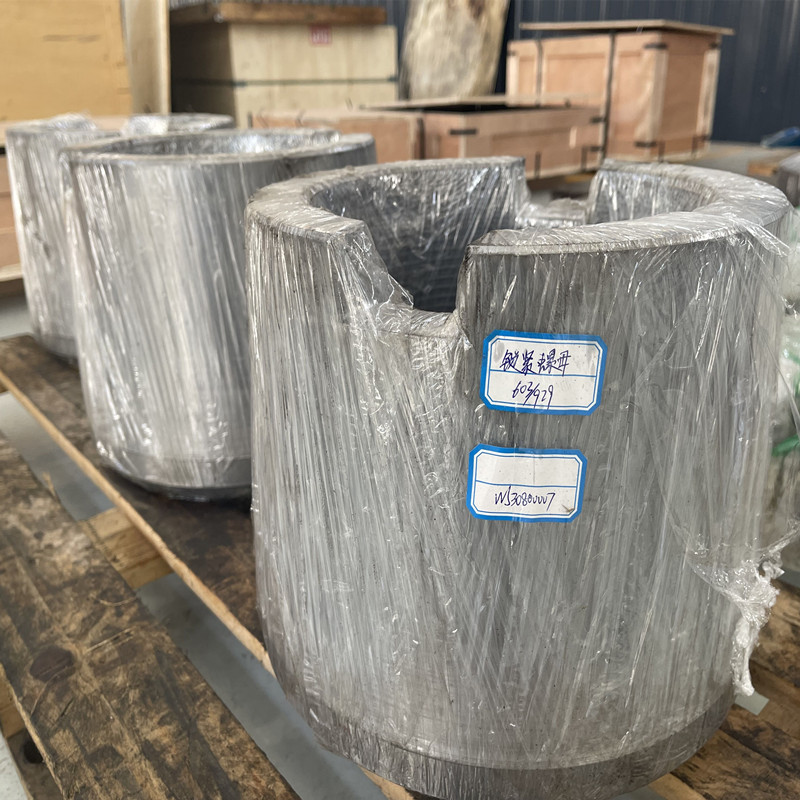
Ball mills are critical equipment in various industrial sectors, including mining, cement, and chemical processing, where they are used for grinding and crushing materials into finer particles. A key component of ball mill performance and longevity lies in its liners, which protect the mill shell and greatly influence grinding efficiency, maintenance cycles, and operational costs. Understanding the different types of ball mill liners and materials used is essential for selecting the optimal solution tailored to specific industrial applications.
### Types of Ball Mill Liners
Ball mill liners come in various designs and materials, each serving distinct functions and suited to different grinding conditions. Generally, ball mill liners can be categorized into the following types:
**1. Wave Liners**
Wave liners are characterized by their undulating pattern across the shell of the mill. This design helps lift the grinding media efficiently while reducing power consumption. The waves create a cushion of material, minimizing noise and providing better protection for the mill shell. Wave liners are favored in mills where a smoother operation and reduced wear is desired.
**2. Ball Mill Liner PC (Pulp-Crest) Type**
PC liners have a raised pulp crest profile designed to improve the grinding media’s motion inside the mill, promoting efficient cascading and cataracting actions. This type improves grinding efficiency and is often preferred in applications requiring fine particle sizes.
**3. Ball Mill Liner DU (Double Wave) Type**
Double wave liners feature two waves along the liner surface, enhancing the lifting capability of the grinding media. This design improves the impact and grinding action inside the mill, providing higher throughput and better size reduction.
**4. Ball Mill Liner SR (Smooth Round) Type**
The smooth round type liner offers a simple curved profile designed primarily to protect the mill shell with minimal interference to grinding media motion. It is often used in smaller mills or in conditions where minimal impact is required.
**5. Ball Mill Liner Step Type**
Step liners have a stepped profile that increases the grinding media’s lifting height, enhancing impact crushing and grinding efficiency. These liners provide aggressive grinding action and are suited for hard or abrasive materials.
### Materials Used for Ball Mill Liners
The performance of ball mill liners depends not only on their design but also significantly on the material used, which must withstand intense wear, corrosion, and impact forces during milling.
Here are some commonly used materials for ball mill liners:
**Manganese Steel (Mn Steel)**
Manganese steel is a high-manganese alloy known for its excellent toughness and abrasion resistance. It hardens under impact and is widely used in ball mill liners due to its durability in harsh milling conditions. Manganese steel liners are cost-effective and offer long service life in many applications.
**High Chromium Iron (Hi-Cr Iron)**
High chromium iron liners provide excellent wear resistance, especially in abrasive grinding environments. Their hardness prevents rapid wear, thereby extending liner service life. Hi-Cr iron is suitable for grinding materials with high silica content.
**Alloy Steel**
Alloy steels used for liners combine strength, hardness, and toughness. They can be customized with various alloying elements to achieve the desired balance of wear resistance and impact strength. Alloy steel liners are versatile and used across a broad range of milling applications.
**Carbon Steel**
Carbon steel liners are generally less expensive and used in less demanding grinding conditions. Their lower hardness makes them less suitable for highly abrasive materials but acceptable where wear is moderate.
### Advanced Tailored Liner Solutions for Longer Life Span
To further enhance the durability and lifespan of ball mill liners, manufacturers now provide specially tailored wearing solutions that incorporate advanced composite materials and insert technologies. These solutions aim to reduce downtime, maintenance costs, and operational disruptions by significantly extending the service intervals of liners.
**Titanium Carbide (TiC) Inserted Liners**
Incorporating Titanium Carbide inserts into liners results in exceptional surface hardness and wear resistance. TiC is an extremely hard ceramic material, which, when embedded within steel liners, provides superior protection against abrasion without compromising toughness.
**Ceramic Liners**
Ceramic materials offer excellent hardness and corrosion resistance. When used in liners, ceramics can withstand aggressive grinding environments, particularly where chemical resistance is crucial. Ceramic liners can also reduce the weight of the assembly, enhancing energy efficiency.
**Chromium (Cr) Inserted Alloys**
Chromium inserts enhance the hardness and wear resistance of liners. These alloys provide a tough surface layer that extends the liner’s life, especially in high-impact and abrasive situations.
### Comprehensive Liner Solutions for Industry Needs
Modern ball mill liner suppliers are committed to delivering not only standard liner designs and materials but also customized solutions that meet specific operational challenges. By combining metallurgical expertise and engineering design, suppliers can offer liners that optimize mill performance, reduce total cost of ownership, and increase plant throughput.
### Conclusion
Selecting the appropriate type and material of ball mill liners is a fundamental step toward ensuring efficient grinding, reduced maintenance, and extended operational life of ball mills. The advent of advanced wearing solutions, such as TiC, ceramic, and chromium inserted alloys, provides the industry with tools to tackle the most demanding milling environments.
Industrial operators are encouraged to work closely with suppliers to evaluate operating conditions, material characteristics, and performance targets to identify the ideal liner configuration. An investment in high-quality, tailored liners yields significant returns in productivity, safety, and long-term equipment reliability, ultimately driving competitive advantage in the mining and mineral processing industries.