
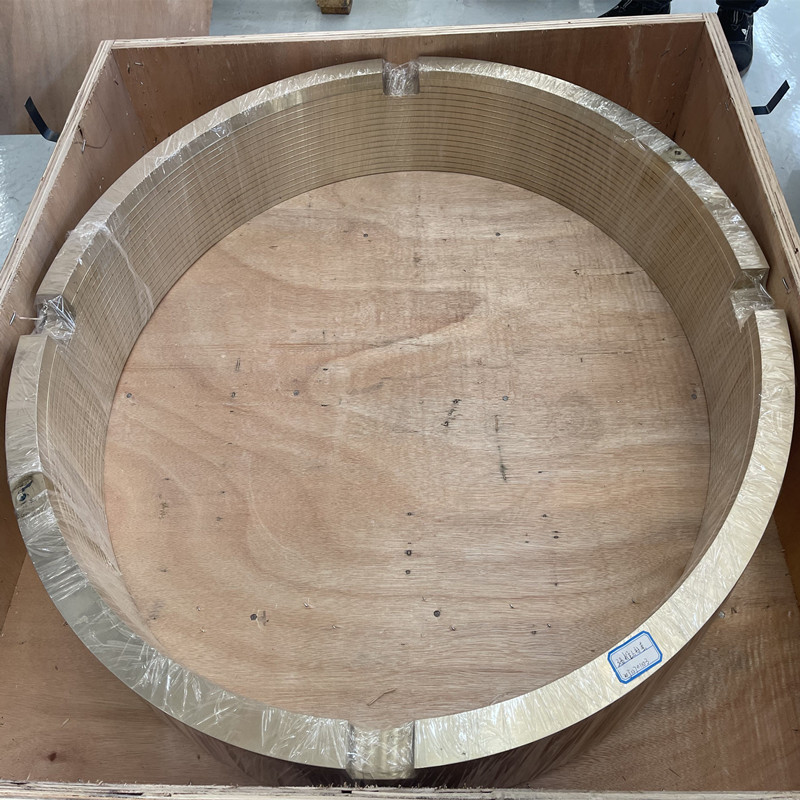
In the ever-evolving landscape of industrial crushing and screening, the demand for durable and efficient wear parts is continually rising. Among these essential components, swing jaw plates play a critical role in ensuring the optimal performance and longevity of jaw crusher/'>crushers. With advancements in material technology and tailored engineering solutions, modern swing jaw plates are now delivering unprecedented durability and efficiency, meeting the rigorous demands of various industries including mining, construction, and recycling.
### Enhancing Crusher Performance with Advanced Materials
The swing jaw plate is a pivotal component in jaw crushers, responsible for crushing materials through compressive force. Due to constant impact and abrasion, these plates endure significant wear and tear, necessitating materials that combine toughness with wear resistance. Recognizing this, leading manufacturers have expanded their range of materials beyond traditional manganese steel to include a variety of specialized alloys and composites engineered for superior durability.
Standard manganese steel remains a trusted choice due to its remarkable work-hardening properties, which enable the plate surface to become progressively harder under impact, prolonging wear life. However, to meet diverse operational demands, newer options such as high-chromium (Hi-Cr) iron provide enhanced abrasion resistance, especially effective in highly abrasive environments.
### Tailored Solutions for Extended Lifespan
Beyond conventional materials, advancements in metallurgical engineering have brought tailored wear solutions to the forefront. These solutions integrate composite materials like titanium carbide (TiC), ceramics, and chromium (Cr) inserted alloys into the plate structure. The incorporation of TiC particles, known for their exceptional hardness, significantly boosts resistance to abrasion and material degradation. Ceramics offer similar advantages, particularly useful in crushing operations involving highly abrasive or corrosive materials.
Chromium-inserted alloys offer an optimal balance between toughness and wear resistance, making them suitable for a wide range of crushing applications. The strategic insertion of Cr alloy segments into the jaw plate allows for differentiated wear zones, ensuring that only high-contact areas are reinforced – a cost-effective approach that extends the overall lifespan without excessive material usage.
### Industry-Leading Customization and Quality
Recognizing the diverse requirements across crushing operations, industry leaders now offer tailored swing jaw plate solutions designed specifically for the conditions faced by individual customers. This customization ranges from selecting appropriate base materials to engineering insert patterns and plate profiles that optimize material flow and crushing efficiency.
The combination of high-quality metallurgy and precise engineering results in plates that not only exhibit longer service life but also reduce crusher downtime and maintenance costs. These improvements translate into significant operational savings and increased productivity for end-users.
### A Glimpse Into Manufacturing Excellence
Behind these high-performance swing jaw plates is an unwavering commitment to quality and innovation. Companies specializing in wear parts utilize rigorous quality control processes throughout their manufacturing cycles. Starting from raw material selection, through heat treatment, machining, and final finishing, each plate undergoes strict inspections to meet demanding standards.
Additionally, advanced manufacturing techniques such as computer numerical control (CNC) machining and robotic welding ensure dimensional accuracy and consistent performance. These processes guarantee that every swing jaw plate integrates perfectly with jaw crushers, minimizing installation issues and enhancing overall machine reliability.
### Future Trends and Sustainable Practices
Looking ahead, the wear part industry is moving towards even more sustainable and efficient solutions. Research into novel alloy systems and composite materials continues, focusing on extending service life while reducing environmental impact. Recycling worn plates and optimizing manufacturing processes to lower energy consumption are also gaining emphasis.
Furthermore, digital technologies like wear monitoring sensors and predictive maintenance analytics are gradually becoming part of wear part management. These innovations promise to provide real-time data on jaw plate condition, enabling proactive replacements and minimizing unexpected failures.
### Conclusion
The evolution of swing jaw plate technology underscores the importance of material science and engineering innovation in heavy machinery components. The integration of specialized materials such as manganese steel, high-chromium iron, and advanced inserts like titanium carbide and ceramics has significantly enhanced the durability and performance of these vital crusher parts.
Tailored solutions that adapt to specific operational needs are proving invaluable in maximizing equipment uptime and reducing maintenance overhead. With manufacturers committed to quality and innovation, the future of crushing operations looks poised to benefit from even greater efficiency and sustainability.
Industries that rely on crushing technology can now leverage these best-in-class swing jaw plates to achieve superior crushing performance, longer component life, and overall operational excellence. As these technologies continue to advance, they will play a pivotal role in shaping the future of heavy equipment wear solutions worldwide.