
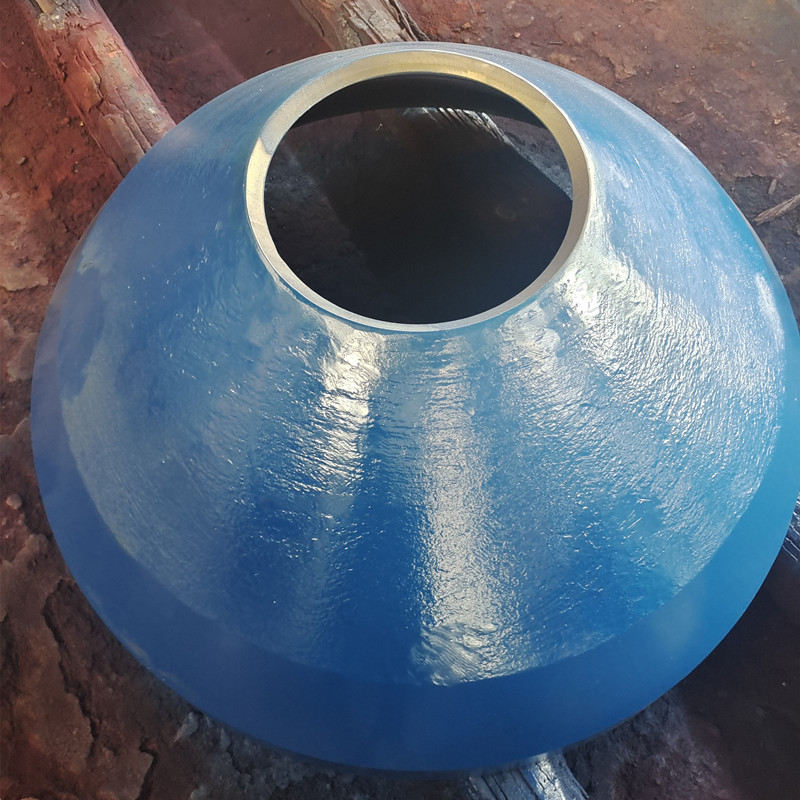
In the ever-evolving automotive recycling industry, the demand for efficient, reliable, and durable shredding equipment has never been higher. As global automotive production increases alongside rising environmental concerns and stricter recycling regulations, car shredders have become an indispensable part of the recycling ecosystem. Recently, notable exporters in the car shredder sector have been making significant strides, combining advanced technological solutions with innovative material science to deliver machinery that not only excels in performance but also boasts enhanced lifespan and reduced maintenance costs.
Central to these advancements is the integration of high-quality wear-resistant materials provided by specialized manufacturers who understand the rigors of the shredding industry. Among these is WUJING MACHINE, a renowned supplier well-regarded for its comprehensive range of high-performance alloys and tailored wearing solutions that extend the operational life of shredding components.
### Meeting the Demands of the Automotive Recycling Industry
Automotive recycling involves processing end-of-life vehicles (ELVs) to recover valuable metals and reduce environmental impact. Car shredders play a critical role in breaking down entire vehicles into manageable sizes for further separation and material recovery. However, shredding cars presents unique challenges due to the heterogeneity of materials, including steel, aluminum, plastics, and electronic components.
This complexity subjects shredder components to severe wear and tear, impacting the durability and efficiency of the machine. Consequently, exporters of car shredders have been focusing not only on the mechanical design and operational effectiveness of their equipment but also on the materials used in manufacturing key parts.
### Enhancing Component Durability Through Advanced Materials
One of the primary factors dictating the longevity and performance of shredders is the choice of wear-resistant materials used in critical parts such as shredder knives, anvils, and wear plates. Conventional materials often succumb to rapid wear, leading to frequent replacements, increased downtime, and higher operational costs.
WUJING MACHINE has been at the forefront of addressing these challenges by supplying a broad array of materials that cater to different abrasion and impact conditions encountered in shredding operations. Their standard offerings include manganese steel (Mn Steel), high-chromium iron (Hi-Cr Iron), alloy steel, and carbon steel. Each of these materials is selected based on its unique properties:
- **Manganese Steel (Mn Steel):** Known for its exceptional toughness and work-hardening ability, making it ideal for high-impact environments.
- **High-Chromium Iron (Hi-Cr Iron):** Offers excellent wear resistance due to its hardness and resistance to abrasive forces.
- **Alloy Steel:** Provides a good balance between strength, toughness, and wear resistance.
- **Carbon Steel:** A cost-effective option suitable for less demanding applications.
Beyond these standard materials, WUJING MACHINE also offers customized wear-resistant solutions tailored to extend the lifespan of shredder components significantly. These solutions include the incorporation of titanium carbide (TiC), ceramic inserts, and chromium (Cr) inserted alloys, materials known for their superior hardness and wear resistance under extreme conditions.
### Tailored Wearing Solutions for Longer Lifespan
Tailoring the material composition and treatment enables manufacturers to customize shredder parts that can withstand different operational stresses, thus optimizing overall machine performance.
- **Titanium Carbide (TiC) Inserts:** TiC is an extremely hard ceramic material often used to reinforce steel components. Its presence within the alloy matrix substantially increases abrasion resistance, making shredder knives and wear plates more resilient against metal and composite materials found in ELVs.
- **Ceramic Inserts:** Ceramic materials offer excellent wear resistance due to their hardness and chemical stability. Incorporating ceramic inserts into shredder components helps reduce abrasion-caused degradation and prolongs the interval between maintenance cycles.
- **Chromium Inserted Alloys:** Chromium enhances corrosion resistance and hardness in steel alloys. Chromium insertion into key wear parts provides a balanced improvement in durability and toughness, suitable for shredding operations encountering mixed material streams.
By integrating these advanced materials and tailored wearing solutions, exporters of car shredders can now offer equipment that delivers longer service life, reduced maintenance frequency, and higher operational availability.
### The Impact on Global Automotive Recycling
The advancements in material technology and equipment design have a tangible impact on the automotive recycling industry globally. Efficient shredders enable processors to handle higher throughput, extract more recyclable material, and reduce environmental contamination by effectively destroying hazardous components.
For recycling companies, investing in robust shredding equipment translates into better return on investment through lower operating costs and enhanced productivity. Furthermore, the improved durability of shredder parts supports sustainability goals by minimizing resource consumption used in manufacturing replacement components.
### Conclusion
As the automotive recycling sector grows and regulations tighten, the importance of high-performance car shredders supported by advanced wear-resistant materials cannot be overstated. With industry-leading exporters incorporating innovative materials supplied by experts like WUJING MACHINE, the future of automotive shredding equipment is set to be more efficient, reliable, and durable.
These developments not only benefit equipment manufacturers and recyclers but also contribute significantly to environmental protection and resource conservation worldwide. It is evident that the synergy between advanced engineering design and cutting-edge material science will continue to drive progress in automotive recycling technologies in the years ahead.