
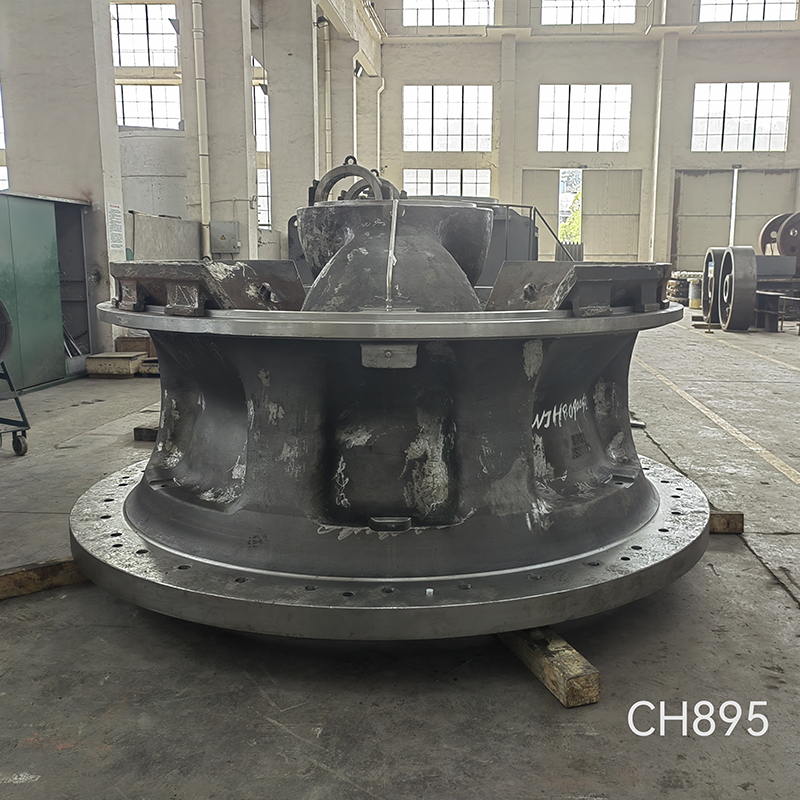
In the ever-evolving landscape of industrial machinery, the demand for durable and high-performance components remains paramount. Wheel bearings, critical for the smooth operation and longevity of various machinery and vehicles, have long been a focal point for manufacturers seeking reliability and efficiency. Recent advancements in material science are now driving a new wave of innovation in wheel bearing technology, delivering superior wear resistance and extended service life. Central to this progress is the integration of advanced wear-resistant alloys and composite materials, notably supported by companies specializing in high-quality steel and custom-tailored solutions.
One prominent supplier revolutionizing the wheel bearing market provides a comprehensive range of materials including standard manganese (Mn) steel, high-chromium (Hi-Cr) iron, alloy steel, and carbon steel. These materials are well-known for their mechanical strength, toughness, and resistance to wear — critical factors for components subjected to heavy loads and continuous rotation.
Beyond these conventional materials, the company also offers tailored solutions designed to significantly enhance bearing longevity. By incorporating advanced wear-resistant technologies such as titanium carbide (TiC), ceramic, and chromium (Cr) inserted alloys, the supplier addresses the specific needs of applications facing extreme wear conditions. These materials contribute exceptional hardness and resistance to abrasion, thereby reducing maintenance downtime and improving overall machinery performance.
### The Importance of Material Selection in Wheel Bearings
Wheel bearings are fundamental components that support both radial and axial loads, ensuring smooth rotational motion at variable speeds. Their performance and durability directly impact the operational efficiency, safety, and maintenance costs of mechanical systems. Selecting the right bearing material is critical to withstand the harsh conditions bearings often encounter, including high pressures, friction, temperature fluctuations, and exposure to contaminants.
Standard Mn steel, known for its good toughness and wear resistance, serves as a reliable choice for general-purpose bearings. Hi-Cr iron adds superior hardness and corrosion resistance, ideal for environments where rust and abrasive debris are common. Alloy steel and carbon steel varieties provide a balance of strength and ductility, suited for high-stress applications.
However, with growing industrial demands and increasingly harsh operational environments, traditional materials sometimes fall short in terms of lifespan and performance. This challenge has spurred the use of more advanced composites and metallurgical innovations.
### Advanced Wear-Resistant Solutions: TiC, Ceramic, and Chromium Inserted Alloys
To extend the service life of wheel bearings in severe applications, the use of advanced wear-resistant additives and inserts has become a game-changer:
- **Titanium Carbide (TiC)**: Known for exceptional hardness and wear resistance, TiC particles embedded into steel matrices create a composite material capable of withstanding extreme abrasion and surface fatigue. Wheel bearings manufactured using TiC-reinforced alloys demonstrate significantly reduced wear rates, enabling longer maintenance intervals and enhanced reliability.
- **Ceramic Inserts**: Ceramic materials offer unique properties such as high hardness, low density, and excellent thermal stability. Incorporating ceramic elements into bearings helps mitigate heat generation and resistance to corrosion, making them ideal for high-speed and high-temperature applications.
- **Chromium Inserted Alloys**: Chromium, when inserted as an alloying element, enhances hardness and corrosion resistance, which are essential to counteract the effects of contaminants and oxidative wear. Chromium alloys provide a balanced blend of toughness and wear resistance, ensuring bearings maintain integrity under strenuous conditions.
### Customized Solutions for Industry-Specific Needs
Recognizing that one size does not fit all, the wheel bearing supplier emphasizes tailored wearing solutions that cater to the distinct requirements of different industries. Whether serving construction equipment, automotive, mining machinery, or heavy-duty industrial applications, the company collaborates closely with clients to engineer materials that align with specific operational challenges.
The customization involves selecting the right combination of base metals and wear-resistant inserts, optimizing heat treatment processes, and refining manufacturing techniques. This bespoke approach ensures that bearings not only meet but often exceed the performance expectations of end users.
### Impact on Industry and Sustainability
The advancements in wheel bearing materials hold significant implications for operational efficiency, safety, and sustainability. Extended lifespan and improved reliability reduce replacement frequency and lower the overall lifecycle cost of machinery. This translates into less material waste, diminished resource consumption, and a smaller environmental footprint — all critical factors in today’s sustainability-focused industrial practices.
Moreover, improved bearing performance contributes to smoother machine operation, reduced energy consumption due to decreased friction, and minimized downtime during maintenance cycles. Collectively, these benefits enhance productivity and profitability for businesses across multiple sectors.
### Looking Ahead: Innovation and Partnership
The continuous development of new alloys, composite materials, and manufacturing processes signals a promising future for wheel bearing technology. Companies invested in heavy machinery components are increasingly partnering with materials specialists to leverage cutting-edge metallurgy and engineering expertise.
By combining decades of experience in standard steel production with innovative wear-resistant solutions such as TiC, ceramic, and Cr-inserted alloys, leading suppliers stand at the forefront of quality and performance in the wheel bearing market. Their commitment to customization and reliability provides manufacturers and end users with confidence in the durability of their machinery — a vital component in the competitive and demanding industrial environment.
### Conclusion
The upgrading of wheel bearings through advanced material technology represents a significant stride forward in industrial machinery performance. By harnessing the hardness and wear resistance of Mn steel, Hi-Cr iron, alloy and carbon steels, alongside next-generation composite materials like TiC, ceramics, and chromium alloys, this new generation of wheel bearings promises enhanced durability and operational efficiency.
As industries seek longer-lasting, more reliable parts for critical applications, the role of specialized suppliers offering tailored material solutions becomes increasingly vital. Their expertise in combining traditional metallurgical strengths with modern innovations paves the way for machinery that operates longer, performs better, and contributes to a more sustainable industrial future.