
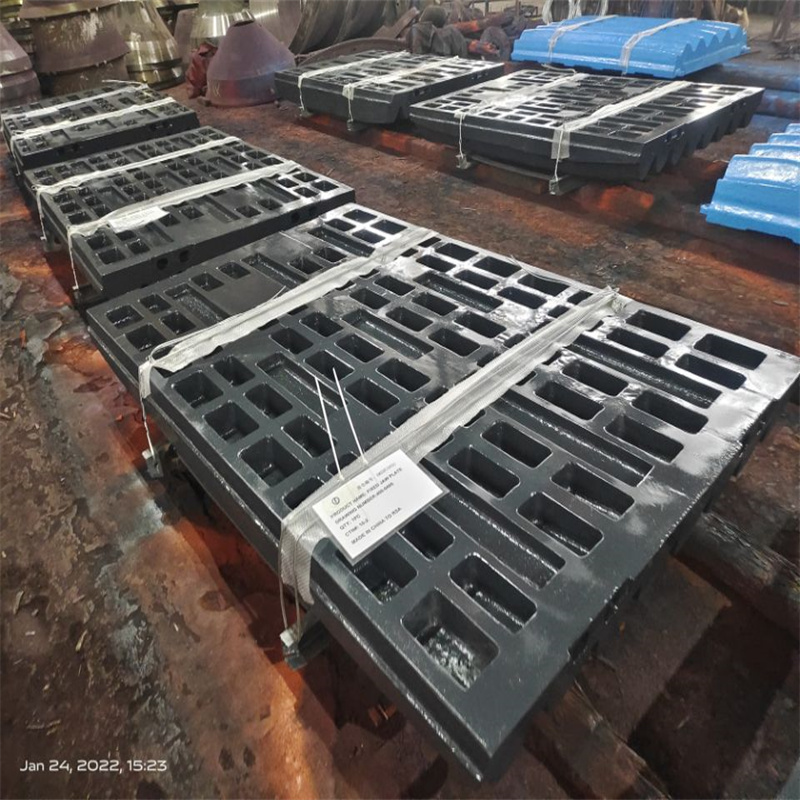
In industries where heavy machinery and equipment operate under extreme conditions, the durability and reliability of components are critical to maintaining productivity and minimizing downtime. Wear parts, which are subject to constant abrasion, impact, and corrosion, play a significant role in determining the operational lifespan of such equipment. Addressing the challenges associated with wear and tear, companies in the field are increasingly focusing on developing advanced materials and tailored solutions that enhance performance and extend service life.
One notable provider in this field offers a comprehensive range of wear parts, crafted from high-quality materials designed to meet the demanding needs of various industrial applications. The product lineup includes standard manganese steel (Mn Steel), high-chromium iron (Hi-Cr Iron), alloy steel, and carbon steel. Beyond these well-established materials, the company specializes in customized wear-resistant solutions designed to significantly prolong component life, incorporating advanced materials such as titanium carbide (TiC), ceramic, and chromium-inserted alloys.
### The Importance of Wear Parts in Industrial Applications
Wear parts are essential components in equipment such as crushers, excavators, mining machinery, agricultural tools, and construction equipment. These parts are often exposed to harsh environments involving heavy loads, high friction, abrasive particles, and corrosive substances. Over time, the wear and deterioration of these components can lead to equipment failure, reduced efficiency, and increased maintenance costs.
In such scenarios, choosing the right material for wear parts is crucial. Materials must not only withstand the physical stresses but also provide resistance to abrasion and corrosion. The right selection can lead to improved machine uptime, reduced replacement frequency, and overall cost savings.
### Standard Materials for Reliable Performance
Manganese steel remains one of the most widely used materials in wear parts due to its remarkable toughness and work-hardening properties. When subjected to impact and abrasion, manganese steel’s surface hardens, offering enhanced durability. This makes it ideal for applications such as liners in crushers and heavy-duty buckets.
High-chromium iron, on the other hand, is known for its superior hardness and excellent resistance to abrasion and corrosion. This material is commonly utilized in environments where parts encounter high wear rates and corrosive materials, such as in mineral processing and cement industries.
Alloy steel and carbon steel also form the backbone of many wear parts, providing good mechanical strength and adaptability for a wide range of applications. Their versatility allows for effective performance in conditions that may not require the extra hardness of specialized materials.
### Tailored Wear-Resistant Solutions: Pioneering Longer Life Span
While standard materials address many wear challenges effectively, the quest for longer operational life has led to the development of advanced wear-resistant solutions. By integrating materials like titanium carbide (TiC), ceramics, and chromium inserts into existing alloys, manufacturers can deliver wear parts that surpass conventional performance standards.
Titanium carbide is prized for its remarkable hardness, which far exceeds that of standard steels and irons. Incorporating TiC into wear parts improves abrasion resistance significantly, making it particularly useful in applications involving intense wear from hard particles. TiC also maintains stability at high temperatures, adding to the durability of components subjected to heat during operation.
Ceramic materials offer exceptional hardness and chemical inertness, providing strong resistance against aggressive wear and corrosion. Ceramic inserts or coatings on wear parts can drastically reduce surface degradation, ensuring longer service intervals and improved operational reliability.
Chromium-inserted alloys enhance surface hardness and corrosion resistance without sacrificing the toughness required to withstand impact loads. Chromium’s ability to form a stable oxide layer protects against corrosion and metal loss, while the alloy’s composite structure supports structural integrity under heavy usage.
### Advantages Delivered to Industrial Operators
The integration of these advanced materials into tailored wear parts aligns with the evolving needs of industries striving to optimize maintenance schedules and maximize equipment uptime. Some of the key benefits include:
1. **Extended Equipment Life:** Customized wear parts reduce the frequency of replacements, enabling machinery to function efficiently for longer periods.
2. **Enhanced Cost Efficiency:** Although initial costs may be higher than standard components, the durability and reduced downtime translate into lower operational expenses over time.
3. **Improved Operational Reliability:** Reduced wear-related failures minimize unexpected breakdowns, ensuring smoother workflows and higher productivity.
4. **Adaptability Across Industries:** Advanced wear parts cater to a diverse range of industrial sectors, including mining, construction, agriculture, and manufacturing, providing versatile solutions that address unique wear challenges.
5. **Sustainability:** Prolonging the life span of wear parts contributes to reduced waste and less frequent consumption of raw materials, supporting more sustainable industrial practices.
### Commitment to Innovation and Customer-Centric Solutions
Recognizing that every industrial application presents unique challenges, the company emphasizes the importance of tailored solutions. By leveraging extensive materials expertise and collaborating closely with clients, they develop wear parts that balance hardness, toughness, and corrosion resistance according to specific operational requirements.
Research and development efforts focus on refining composite alloys and improving production techniques to enhance the performance and affordability of wear-resistant products. The ability to customize product designs, coupled with rigorous quality control, ensures that each component meets the highest standards of durability and functional excellence.
### Conclusion
As industries continue to push the limits of heavy machinery performance, the evolution of wear parts plays a vital role in sustaining operational efficiency and reducing costs. The combination of standard wear-resistant materials like manganese steel and high-chromium iron with advanced solutions involving titanium carbide, ceramic, and chromium-inserted alloys marks a significant step forward in addressing wear-related challenges.
By prioritizing innovation and customer-specific needs, the company stands at the forefront of the wear parts industry, providing robust, longer-lasting components that help industrial operators achieve greater reliability and productivity. This ongoing dedication to material advancement and tailored engineering solutions promises to further transform the landscape of wear resistance in the years to come.