
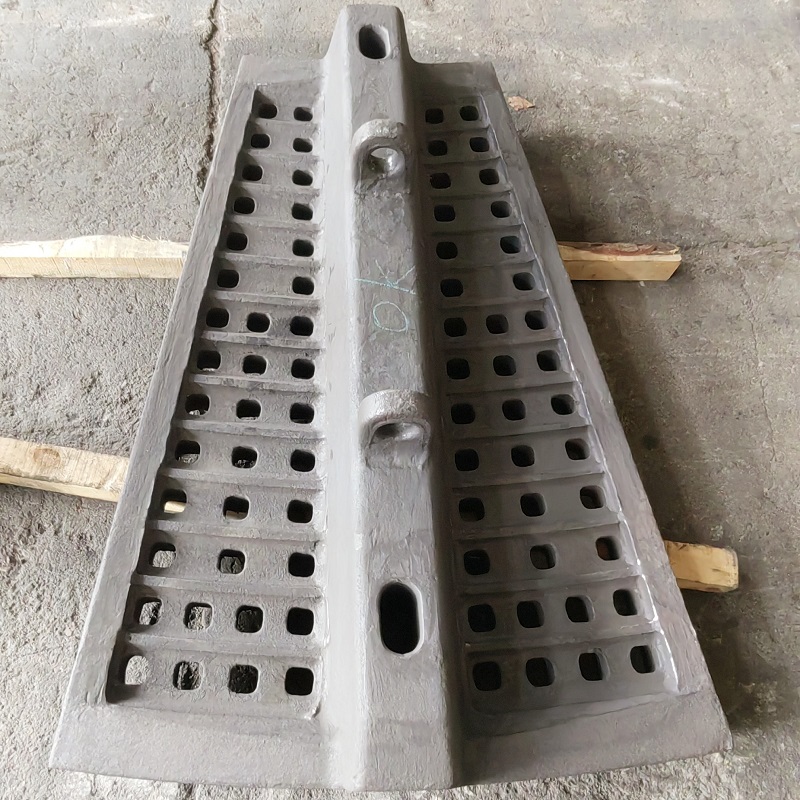
In the competitive field of mining and mineral processing, the efficiency and durability of grinding equipment are paramount. Sag mills, as large-scale grinding machines widely used in ore processing, demand high-performance parts that can withstand harsh working conditions while maintaining optimal operational efficiency. Recently, developments in the supply of sag mill parts have drawn significant attention, particularly concerning the integration of advanced materials and tailored wear solutions. This article explores the latest trends and offerings in sag mill parts, emphasizing the enhanced material options that contribute to extended service life and improved productivity.
### Overview of Sag Mill Parts and Industry Importance
Semi-Autogenous Grinding (SAG) mills play a critical role in the mineral extraction process by grinding ores to facilitate further processing. Given the abrasive nature of this task, the parts used in SAG mills—such as liners, grinding balls, lifters, and other components—are subjected to substantial wear and tear. Consequently, the choice of material and manufacturing technology significantly impacts the maintenance frequency, downtime, and overall cost-efficiency of mining operations.
Traditionally, materials like manganese (Mn) steel and high-chrome iron have been the mainstay in sag mill parts production due to their excellent toughness and wear resistance. However, as operations push the limits of throughput and toughness requirements escalate, suppliers are innovating to provide enhanced materials and customized solutions that address these challenges.
### Cutting-Edge Material Solutions for Longer Wear Life
One of the notable recent advancements comes from suppliers offering a diverse portfolio of materials that cater to different operational needs. Beyond the standard Mn steel and high-chrome iron offerings, alloy steel and carbon steel components provide flexibility in balancing hardness with ductility, adapting to the specific impacts and abrasion levels encountered in various mill conditions.
Moreover, embracing the latest developments in wear-resistant materials, manufacturers are providing tailored solutions designed to significantly extend component lifespans. These include materials embedded with Titanium Carbide (TiC), ceramic composites, and chromium-inserted alloys. Each of these innovations contributes unique properties that help to withstand the punishing environment inside sag mills, delivering significant savings by reducing the frequency of part replacements and mill downtime.
- **Titanium Carbide (TiC) Inserted Alloys**: The integration of TiC particles into alloy matrices imparts exceptional hardness and abrasion resistance. TiC-enhanced parts demonstrate a marked improvement in resistance to grinding media impact and abrasive ore particles, thus elongating service intervals.
- **Ceramic Composites**: Incorporating ceramic materials offers superior hardness and thermal stability, making these components ideal for aggressive grinding operations where heat generation and wear rates are particularly high.
- **Chromium-Inserted Alloys**: Chromium additions enhance corrosion resistance and surface hardness, combining to improve overall performance especially in mills handling moisture-laden ores or operating under corrosive conditions.
### Customized Wear Solutions for Optimized Performance
Recognizing that no two grinding environments are exactly alike, forward-thinking suppliers are providing bespoke wear solutions tailored to the unique requirements of each operation. This approach involves analyzing the ore characteristics, mill capacity, and operational parameters to recommend the best combination of materials and part designs.
Such customization ensures that customers achieve an optimal balance between durability, operational efficiency, and cost-effectiveness. By leveraging advanced materials and engineering know-how, these solutions help to minimize unexpected failures and maximize throughput, contributing to the sustainability and profitability of mining projects.
### Company Expertise and Industry Impact
With extensive experience and technological capability, industry-leading suppliers have positioned themselves at the forefront of innovation in providing sag mill parts that meet exacting standards. They combine a comprehensive range of standard materials—including Mn steel, high-chrome iron, alloy steel, and carbon steel—with cutting-edge wear-resistant options like TiC, ceramic, and chromium-inserted alloys.
The commitment to quality and continuous improvement is reflected in stringent manufacturing processes and quality control measures. By investing in research and development, these companies ensure their products not only comply with industry specifications but often exceed expectations for performance and longevity.
### Benefits to Mining Operations
The adoption of advanced wear-resistant materials and tailored solutions in sag mill parts translates into tangible benefits for mining operations worldwide:
- **Reduced Maintenance Costs**: Longer-lasting parts entail fewer replacements and repairs, directly reducing maintenance expenses.
- **Increased Mill Availability**: Prolonged service intervals mean mills operate with minimal downtime, boosting overall productivity.
- **Enhanced Operational Safety**: Reliable components lower the risk of sudden failures that may compromise worker safety and equipment integrity.
- **Environmental Advantages**: Longer-lasting wear parts reduce waste generation from discarded components, supporting sustainable mining practices.
### Future Outlook
As mining operations continue to scale and evolve, the demand for sag mill parts with superior durability and customized wear solutions is expected to grow. Suppliers are likely to expand their material offerings further, integrating novel composites and smart materials that respond adaptively to wear conditions.
Additionally, advances in manufacturing techniques, such as additive manufacturing and precision casting, may open new avenues for producing complex, high-performance parts tailored specifically for individual mill configurations.
### Conclusion
The ongoing innovation in sag mill parts manufacturing marks a significant stride toward enhancing grinding efficiency and equipment lifespan. With a broad spectrum of material solutions ranging from tried-and-true manganese steel and high-chrome iron to advanced TiC, ceramic, and chromium-inserted alloys, suppliers are well-equipped to meet the challenge of demanding mining environments.
By embracing customized wearing solutions and leveraging material science advances, mining companies can achieve increased operational reliability, lower costs, and improved sustainability. This holistic approach to component design and material selection underscores the critical role that specialized sag mill parts providers play in driving progress in the global mining industry.