
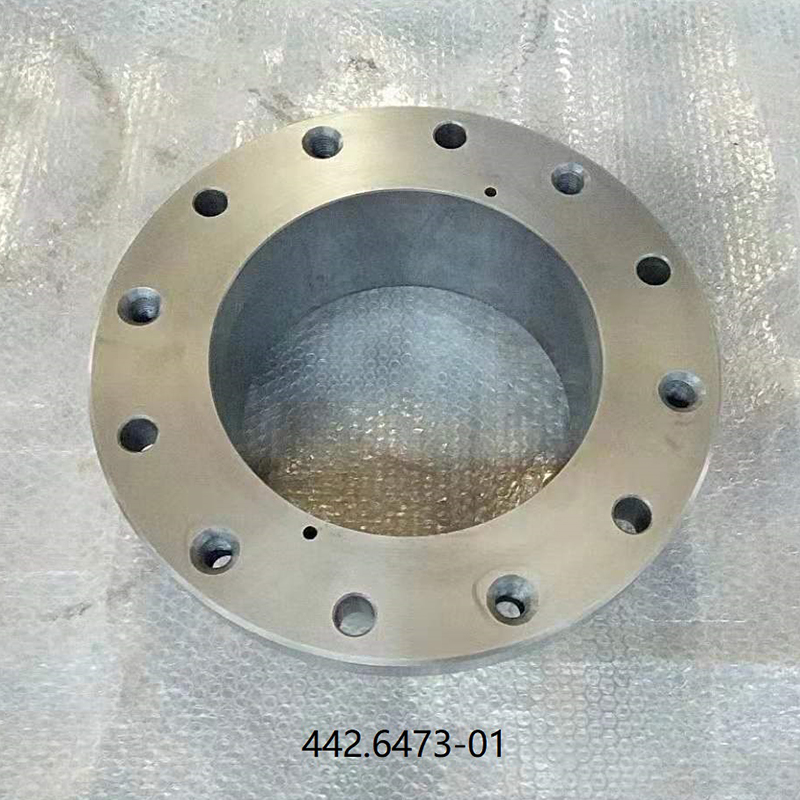
In recent years, the utilization of rubber components across various industries has seen a significant transformation. Known for its elasticity, resilience, and versatility, rubber continues to play a crucial role in manufacturing, automotive, construction, and machinery sectors. However, as operational demands intensify, the need for longer-lasting, more wear-resistant materials to complement rubber parts has become more pressing. Emerging solutions involving advanced alloys and composite materials are now redefining the standards for durability and performance.
**The Growing Importance of Rubber in Industrial Applications**
Rubber’s unique properties—such as excellent flexibility, shock absorption, and resistance to water and many chemicals—make it indispensable in a myriad of applications. From conveyor belts and seals to protective linings and vibration dampers, rubber components are integral to smooth and safe operations. Nevertheless, rubber alone can face challenges when exposed to harsh environmental conditions, high abrasion, or extreme mechanical stress.
This has driven industries to explore complementary materials and innovative engineering approaches to enhance rubber components’ lifespan and operational efficiency. One key area of focus is the integration of rubber with advanced wear-resistant metals and alloys, enabling a hybrid solution that benefits from the strengths of both material types.
**WUJING MACHINE’s Commitment to High-Performance Wearing Solutions**
WUJING MACHINE, a leader in wear-resistant materials and solutions, has been at the forefront of addressing these industrial challenges. The company offers an extensive portfolio of standard alloys including manganese steel (Mn Steel), high-chromium iron (Hi-Cr Iron), alloy steel, and carbon steel, each tailored to meet diverse application requirements.
What sets WUJING MACHINE apart is its expertise in developing customized wearing solutions engineered to significantly extend the service life of equipment. These solutions involve special composites such as titanium carbide (TiC), ceramic, and chromium-inserted alloys. By combining these advanced materials with rubber components, the synergistic effect results in superior wear resistance, reduced maintenance costs, and improved operational reliability.
**Advanced Materials Enhancing Rubber Components**
1. **Manganese Steel (Mn Steel):** Renowned for its high impact strength and resistance to abrasion once work-hardened, manganese steel serves as an excellent foundation for components that interact dynamically with rubber parts. Its self-hardening nature under stress helps protect against cracking and deformation.
2. **High Chromium Iron (Hi-Cr Iron):** Hi-Cr iron offers outstanding hardness and wear resistance due to its chromium content. It is particularly effective in environments where rubber components endure high friction or abrasive materials, such as in slurry pumps, crusher/'>crushers, and rotating equipment.
3. **Titanium Carbide (TiC) Inserted Alloys:** The incorporation of TiC particles into steel matrices results in exceptional hardness and wear resistance. TiC-inserted alloys provide a protective barrier against abrasive wear and can be strategically combined with rubber linings to optimize durability without sacrificing flexibility.
4. **Ceramic Inserted Alloys:** Ceramic materials are well-known for their hardness and chemical inertness. When embedded in or paired with metallic components, ceramics notably improve resistance to wear and corrosion. This makes ceramic-inserted alloys ideal for harsh chemical environments where rubber parts may face degradation.
5. **Chromium Inserted Alloys:** Chromium enhances steel alloys by increasing hardness, toughness, and corrosion resistance. When used alongside rubber, chromium-inserted alloys can protect against surface wear and extend equipment life under heavy operational conditions.
**Practical Applications and Industry Impact**
The combination of rubber components with these advanced alloys has revolutionized equipment design in multiple sectors:
- **Mining and Minerals Processing:** Conveyor belts equipped with high-wear liners made from manganese steel and TiC-inserted alloys significantly reduce downtime caused by abrasion. Rubber components help absorb shocks and vibrations, preventing structural damage to machinery.
- **Pulp and Paper Manufacturing:** Hi-Cr iron wear plates paired with rubber linings protect against the constant impact of wood chips and slurry, extending equipment operational cycles and improving productivity.
- **Automotive Industry:** Rubber seals and bushings integrated with alloy backing plates enhance durability, reducing maintenance frequency and improving vehicle safety.
- **Chemical Industry:** Ceramic-inserted alloys combined with rubber linings provide superior protection against corrosive substances, ensuring longer life spans for pumps, valves, and pipelines.
**Future Trends in Rubber and Wear-Resistant Material Integration**
As manufacturing moves toward smarter, more sustainable solutions, the integration of rubber with wear-resistant metals and composites is poised to evolve further. Research into nano-materials, 3D printing of composite parts, and real-time wear monitoring technologies are shaping the next generation of durable components.
WUJING MACHINE continues to innovate by developing tailored solutions that balance cost-effectiveness with performance. Their customized alloy compositions and proprietary surface treatment techniques ensure that rubber-based components can withstand increasingly demanding industrial environments.
**Conclusion**
The strategic use of rubber in conjunction with advanced wear-resistant alloys and composites is ushering in a new era of machinery reliability and efficiency. WUJING MACHINE’s comprehensive offering—from standard manganese steel and high-chromium iron to specialized titanium carbide, ceramic, and chromium-inserted alloys—provides industries with versatile and durable solutions.
By harnessing these materials’ strengths, industries can greatly extend the lifespan of their equipment, reduce maintenance expenses, and enhance overall productivity. This blend of flexibility, durability, and innovation exemplifies the future of industrial material engineering, positioning rubber and advanced alloys as indispensable partners in modern manufacturing and machinery operation.